 Psychology
Why Your Brain Actually Craves Doomscrolling
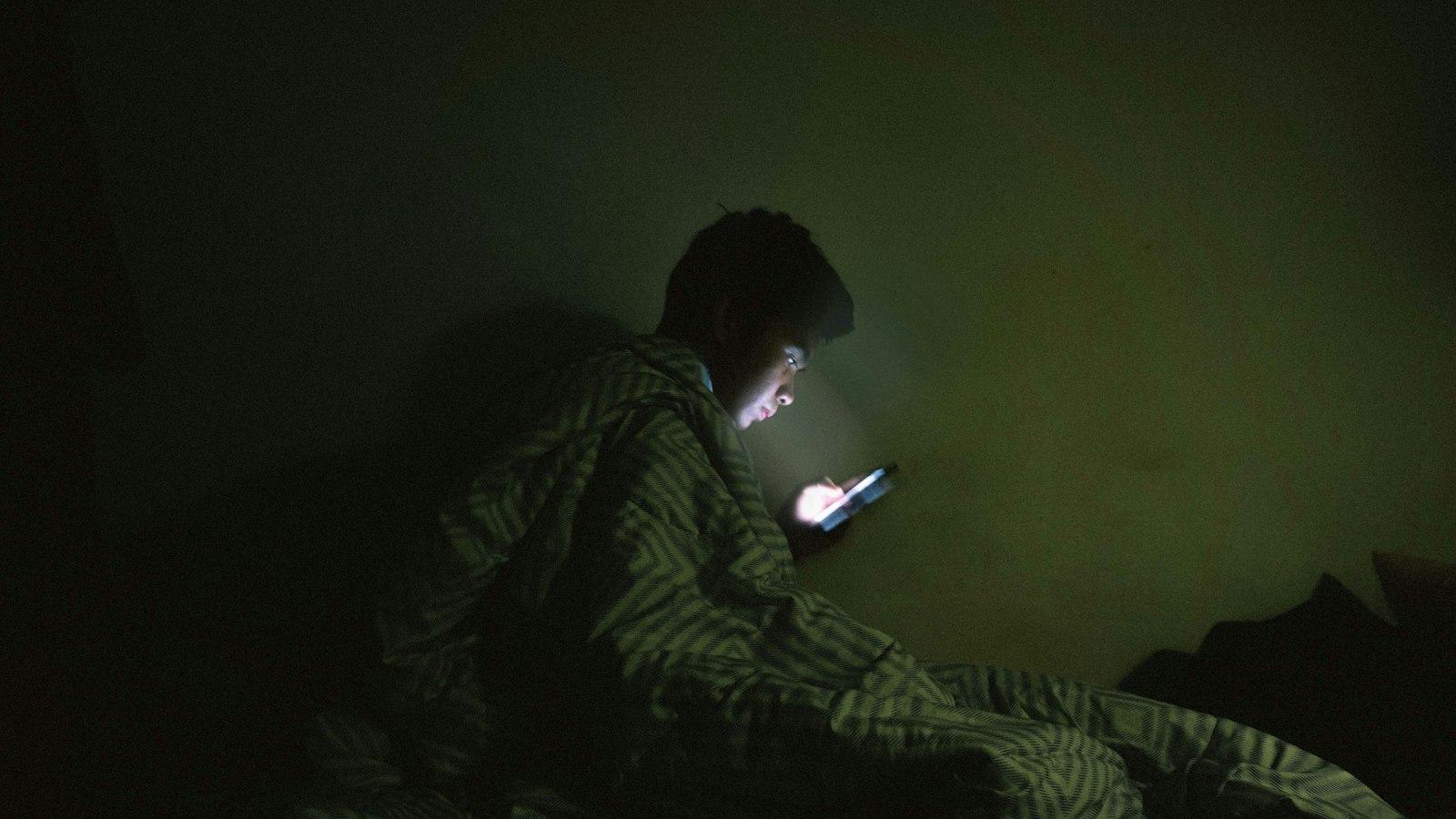
Why do people think the world is ending? It's not laziness, your brain is wired to seek threat. Here's the neuroscience behind doomscrolling.

By SnackIQ Team

What Doomscrolling Actually Does to Your Brain
Why Bad News Gets More Airtime Than Good News
Your brain can't tell the difference between a predator and a push notification.
Why 2025 Feels Especially Apocalyptic
The Misconception That Doomscrollers Are Pessimists
How to Break the Loop Without Ignoring the World
Related terms
Plain-English definitions from the SnackIQ Glossary.
Doomscrolling
/duːm.skrəʊ.lɪŋ/Psychology
Doomscrolling is the compulsive habit of endlessly scrolling through negative news and social media content, even when it increases anxiety and distress.
Algorithm
/ˌæl ˈɡɒrɪðəm/Computer Science
An algorithm is a step-by-step set of instructions or rules for solving a problem or completing a task.
Inflation
/ɪnˈfleɪʃən/Economics
The rate at which the general level of prices for goods and services rises, eroding purchasing power over time.
Availability Heuristic
/əˌveɪləˈbɪləti hjuːˈrɪstɪk/Psychology
The availability heuristic is a mental shortcut where you judge how likely or common something is based on how easily examples come to mind.
Dopamine
/ˈdəʊpəmiːn/Neuroscience
Dopamine is a neurotransmitter, a chemical messenger in the brain, that plays a central role in motivation, reward-seeking, and the anticipation of pleasure rather than pleasure itself.
Amygdala
/əˈmɪɡdələ/Neuroscience
The amygdala is an almond-shaped structure deep in the brain that processes emotions, particularly fear and threat, and triggers the body's rapid stress response before the rational brain has time to react.


Frequently asked questions
Multiple genuine stressors, economic volatility, climate acceleration, unresolved geopolitical conflicts, and AI disruption, have converged simultaneously. Combined with the availability heuristic (the brain overestimates frequency of vivid, memorable threats) and algorithmically amplified negative news, 2025 genuinely does feel different. The feeling isn't irrational; it's the brain's threat system running at full volume on an unusually large input signal.
Yes, with caveats. Studies consistently link heavy negative news consumption to increased anxiety, depressive symptoms, and feelings of helplessness. However, completely avoiding news correlates with civic disengagement and increased misinformation vulnerability. The healthiest pattern appears to be bounded, scheduled consumption from reliable long-form sources, staying informed without staying constantly activated.
Because knowledge and behaviour run on different brain systems. Knowing doomscrolling harms you activates your prefrontal cortex. The urge to scroll is driven by your amygdala and dopaminergic reward pathways. The rational brain loses this fight most of the time. Effective interventions work at the environmental level, changing phone settings, locations, and schedules, rather than relying on willpower alone.