 Philosophy
Is Free Will Actually Real? The Science
Is free will real or an illusion? Neuroscience, physics, and philosophy collide in the most important question about human choice. Here's what the evidence shows.

By SnackIQ Team

The Case For Free Will
The Case Against Free Will
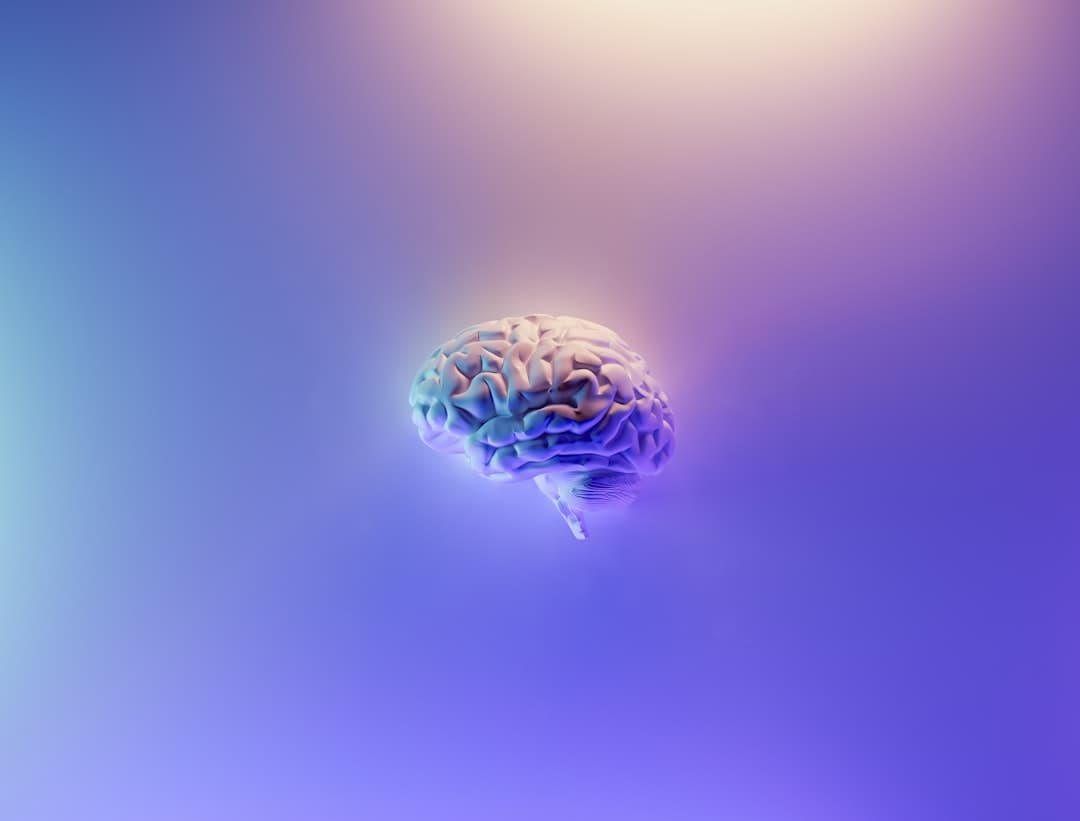
Your brain commits to a movement before 'you' decide, but that isn't the whole story.
What the Neuroscience Actually Shows
The Nuance Everyone Misses
What the Evidence Honestly Tells Us
Related terms
Plain-English definitions from the SnackIQ Glossary.
Availability Heuristic
/əˌveɪləˈbɪləti hjuːˈrɪstɪk/Psychology
The availability heuristic is a mental shortcut where you judge how likely or common something is based on how easily examples come to mind.
Bandwagon Fallacy
/ˈbændwæɡən ˈfɔːləsi/Critical Thinking
The bandwagon fallacy is the logical error of believing something is true or right simply because many other people believe it.
Base Rate Fallacy
/beɪs reɪt ˈfɔːləsi/Psychology
A cognitive error where you ignore general statistics about how common something is and focus instead on specific details, leading you to misjudge the real odds.
Begging the Question
/ˈbɛɡɪŋ ðə ˈkwɛstʃən/Critical Thinking
Begging the question is a logical fallacy where someone assumes the truth of the very thing they're trying to prove.
Choice Overload (Paradox of Choice)
/ˈtʃɔɪs ˈoʊvərˌloʊd/Psychology
Choice overload occurs when too many options causes decision paralysis, reduced satisfaction, and buyer's regret instead of increased happiness.


Frequently asked questions
Libet showed that the brain generates a 'readiness potential' about 550 milliseconds before a person consciously reports deciding to move, suggesting unconscious neural processes precede awareness. Critics argue the experiment used unreliable self-reporting, studied only trivial wrist movements, and that the readiness potential may reflect background neural noise rather than a true decision signal. It raised important questions but didn't definitively prove free will is an illusion.
Compatibilism holds that free will and determinism are not in conflict, because free will simply means acting from your own reasoning and values rather than external coercion, not acting outside the laws of physics. Philosophers from Hume to Dennett have defended it. The PhilPapers survey of professional philosophers found roughly 59% lean compatibilist, making it the majority view among those who study this question most carefully.
Not exactly. Quantum indeterminacy shows the universe is not strictly deterministic at the subatomic level, which undermines the strongest clockwork-universe argument against free will. But randomness is not freedom, if your decisions are partly random, that doesn't make you more in control. Quantum mechanics removes one argument against free will without positively establishing it. Most philosophers treat it as relevant but not decisive.