Back to blog
Learning Apps12 min read

Apps Like TikTok but for Learning in 2026

Want TikTok's quick scroll without the wasted hour? We compare the feeds and apps that teach you something, what they cost and what their users complain about.

SnackIQ

By SnackIQ Team

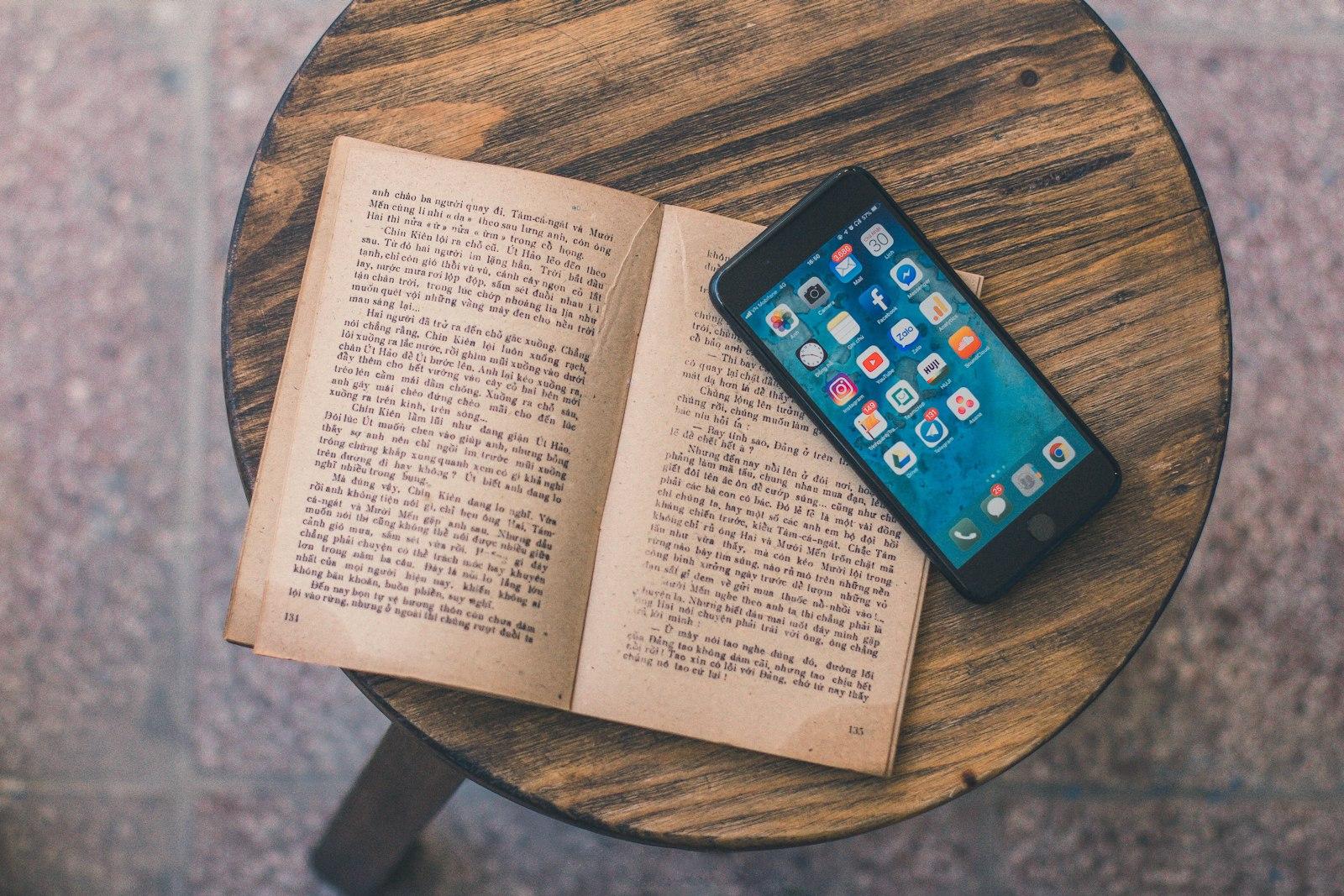
A woman looking at her smartphone on a couch

You open TikTok for two minutes and look up an hour later with nothing to show for it. That's why searches like "apps like TikTok but for learning" and " but educational" keep coming up: people want the same quick, swipeable hit, but with something that sticks.

The good news is that it exists, in three forms. You can make the feeds you already use smarter, you can scroll a free site built for curiosity, or you can use a short-lesson app. The catch is money. Most apps that promise "TikTok for learning" charge for it, and their unhappy users say so loudly.

So we did something the other lists don't. We read the most recent US App Store reviews of each learning app here, up to 500 per app from the past year, and counted what the unhappy ones complain about. Below you'll find what each option is best for, what it costs and where it falls short.

Is There a TikTok for Learning?

Yes, but not as one single app. What people mean by "TikTok for learning" splits into three things.

  • A smarter version of the feed you already use: TikTok has its own STEM feed, and you can retrain Instagram Reels and YouTube Shorts
  • A free endless scroll of knowledge: WikiTok turns random Wikipedia articles into a TikTok-style feed in your browser
  • A short-lesson app: Nibble, Imprint, Deepstash, Kinnu and Duolingo give you lessons of a few minutes, often with quizzes and streaks

The first two are free. Most of the third group are not, and that's the biggest complaint in their reviews. One Deepstash reviewer summed it up in one line: "Ads say this like TikTok, but TikTok is free to use."

Can You Make TikTok, Reels or Shorts Educational?

Partly, and it's the cheapest place to start.

TikTok: TikTok has a separate STEM feed for science, technology, engineering and maths videos. It launched in the US in 2023, reached Europe in April 2024, and since November 2024 it has been on by default for everyone in the UK, Ireland, the US and Canada. It sits next to your For You feed, and in November 2024 TikTok said almost 10 million STEM videos had been posted worldwide in the previous three years. If you can't see it, look in Settings and privacy, then Content preferences.

Instagram Reels: in November 2024 Instagram announced a way to wipe its suggestions and start again. Go to your profile, open the menu, then Content preferences, then Reset suggested content. It resets Explore, Reels and your feed, but keeps who you follow. Then follow a few educational accounts and skip the rest, and the suggestions shift.

YouTube Shorts: on a Short, tap the three dots and choose Not interested or Don't recommend channel for the videos you want less of.

The limit is the same everywhere. It's still an algorithm built to keep you watching, so the next video can just as easily be a prank as a physics demo.

The best TikTok for learning isn't the one with the most videos. It's the one that makes you remember something.

Does Educational Doomscrolling Actually Work?

Honestly, it depends on what you do while you scroll.

The worry is real. In a 2023 lab study at LMU Munich with 60 people, watching TikTok made people worse at remembering to do something later (what psychologists call prospective memory) than simply resting. Twitter and YouTube didn't have the same effect. The researchers point to the constant switching between short videos. It's one small study, so treat it as a warning sign rather than proof.

What helps is recall. In a well-known 2006 study, students who were tested on a passage remembered 61 percent of it a week later, against 40 percent for students who only reread it. Trying to remember something, even with a single quiz question, does more for your memory than watching one more explainer.

So the best "TikTok for learning" isn't the one with the most videos. It's the one that makes you answer something, and that has an end you can reach.

Is WikiTok the Best Free Endless Scroll?

WikiTok is the closest thing to TikTok for pure curiosity, and it's completely free. A New York developer, Isaac Gemal, built it in February 2025 after a viral post asked for exactly this. It shows random Wikipedia articles in an endless vertical scroll, each one a full-screen picture and a few lines of text, in your phone or computer's browser. There's no account to make, and no personalised algorithm deciding what comes next.

That last part is the point. You never know what's coming, and if something grabs you, Read more opens the whole article. The code is open source, and by February 2025 it already worked in 14 languages.

Pricing: free, at wikitok.vercel.app.

Pros: free; no sign-up; truly random topics; nothing tuned to your habits.

Cons: it's reading, not video; no quizzes or streaks; full articles get long once you tap in.

Best for: curious people who want to scroll and stumble on something new, for free.

Does Nibble Feel Most Like TikTok for Learning?

Nibble is the app the "TikTok for learning" lists recommend most often. It's built around short, interactive lessons: its App Store listing promises 10-minute lessons and quizzes, and you choose 5, 10 or 15 minutes a day. Topics run from maths, logic and statistics to art, history, philosophy and personal finance. It's rated 4.3 from about 47,000 ratings.

Pricing:

  • Free: free to download, but the lessons need a subscription; the developer says there's a 7-day free trial
  • Paid: listed at $19.99 a month, $39.99 for 3 months, or annual plans from $12.99 to $89.99 depending on the offer

What its users complain about: 24% of its recent App Store reviews give one or two stars, and 64% of those are about price or the paywall. More than half of them mention trials, charges or subscriptions.

Pros: genuinely interactive; a wide range of topics; a quick daily habit.

Cons: no real free plan; many complaints about trials turning into charges.

Best for: people happy to pay for structured, interactive lessons.

Is Imprint Best for Quick Visual Lessons?

Imprint turns big ideas and books into visual lessons, with infographics and animations, in chapters you can finish in two minutes or less. Daily quizzes check what stuck. Topics cover psychology, philosophy, history, finance, business, health, science and technology, and it's rated 4.8 from about 62,000 ratings.

Pricing: there's no free plan, just a free trial that turns into a subscription, listed at $15.99 a month or $74.99 to $99.99 a year.

What its users complain about: 55% of its recent App Store reviews give one or two stars, and 91 of those 273 say you can't use it without paying. One reviewer wanted it "to get me off social media" but added: "if I'm going to pay to be educated, I might as well go back to school."

Pros: beautiful visuals; truly short chapters; quizzes built in.

Cons: no free plan; many angry reviews about paying before trying.

Best for: visual learners who are happy to pay.

Can Deepstash Replace Your Social Media Feed?

Deepstash is the closest to a scrollable feed of ideas. It turns books, articles, podcasts and videos into short "idea cards" you flick through, and it's rated 4.7 from about 98,000 ratings.

Pricing:

  • Free: its listing describes a free tier with access to more than 200,000 ideas
  • Pro: listed at $12.99 to $19.99 a month or $69.99 to $99.99 a year, adding no ads, audio, offline reading and unlimited history

What its users complain about: a lot. More than half of its recent App Store reviews, 57%, give one or two stars. Of those, 61% mention price or the paywall and 59% billing or cancelling, and 72 reviewers say the free part is really just a trial.

Pros: the most feed-like format here; ideas from many sources; a free tier on paper.

Cons: a heavy push to subscribe; many billing complaints.

Best for: readers who like collecting ideas, as long as they keep an eye on the subscription.

Is Kinnu Good for Free General Knowledge?

Kinnu is a general knowledge app with bite-sized lessons on psychology, life skills, health, science, history, technology and literature, plus an "Absolutely Random" category for pure curiosity. Its "Memory Shield" brings back what you've learned so you don't forget it. It's rated 4.8 from 530 ratings.

Pricing: free, with an optional subscription listed at $1.99 a month.

What its users complain about: only 7 of its 39 reviews from the past year give one or two stars, but 5 of those 7 complain about AI-made content.

Pros: free; Memory Shield helps what you learn stick; a random category for curiosity.

Cons: a small app with few ratings so far; some readers dislike its use of AI.

Best for: people who want free, broad learning that helps them remember it.

Is Duolingo the TikTok of Language Learning?

If what you want is "TikTok but for learning languages", Duolingo is still the default. Lessons take a few minutes, streaks keep you coming back, and it covers more than 40 languages. It's rated 4.7 from about 5.6 million ratings.

Pricing: free with ads and an energy limit. Super costs about $7 a month on a yearly plan and removes both.

What its users complain about: only 14% of its most recent reviews give one or two stars. A quarter of those are about streaks or energy, and some are about ads.

Best for: learning a language in short daily bursts.

What Do Users Complain About in Each App?

Star ratings hide a lot, because most happy users never write a review. So we looked at the unhappy ones. For each app we read its most recent US App Store reviews, up to 500 from the 12 months to 28 November 2026, and counted how many gave one or two stars and what they were about.

AppReviews read1 or 2 starsWhat the unhappy ones mention most
Duolingo50014%Streaks, energy, ads
Kinnu3918%AI-made content
Nibble50024%Price, trials and charges
Imprint50055%Price, paying before you can try it
Deepstash50057%Price, billing, a free plan that feels like a trial

The pattern is clear. People come looking for "TikTok for learning" expecting it to be free like TikTok, and the apps that put everything behind a paywall get the angriest reviews.

Is There a Free App Like TikTok for Learning?

Yes. If you want to pay nothing at all, these are your options:

  • TikTok's STEM feed: free, inside the TikTok app
  • WikiTok: free, in your browser, with no account
  • Kinnu: free, with an optional $1.99 monthly subscription
  • Duolingo: free with ads and an energy limit, for languages
  • Deepstash: its listing describes a free tier, though many reviewers say it pushes hard to subscribe

Nibble and Imprint aren't free. They offer trials and then charge, so if you're only testing, set a reminder to cancel a day before the trial ends.

Is SnackIQ Worth the Wait?

SnackIQ is our app, so weigh this section with that in mind. It's built for the same itch as a quick scroll: something new, fast. Each lesson takes 60 seconds and ends with a quick quiz question to help it stick, which is the kind of recall that research says matters. It's a mix across 12 topics, from science, money and psychology to history, philosophy and pop culture, rather than one subject, with daily streaks and Niq, our mascot, to keep the habit going. It's opening soon on iPhone, Android and the web, and the waitlist is open now.

Pricing:

  • Free: 5 lessons a day across 3 topics you choose
  • Pro: $4.99 a month or $29.99 a year, with a 7-day free trial: unlimited lessons, every topic, no ads and streak recovery

There's no card needed to start.

Best for: people who want a daily dose of something new, with an end in sight, instead of an endless feed.

How Do These TikTok-Style Learning Apps Compare?

Here's every option side by side. Prices are US prices, checked on 28 November 2026.

OptionWhat it feels likeFree?Paid plan (US)App Store rating
TikTok STEM feedTikTok, for science and techYesNoneInside TikTok
WikiTokAn endless random scrollYes, in your browserNoneWebsite
NibbleInteractive mini lessonsTrial only$19.99/mo, or $12.99 to $89.99/yr4.3
ImprintVisual two-minute chaptersTrial only$15.99/mo, or $74.99 to $99.99/yr4.8
DeepstashA feed of idea cardsListed free tier$12.99 to $19.99/mo, or $69.99 to $99.99/yr4.7
KinnuShort general knowledge lessonsYesOptional $1.99/mo4.8
DuolingoQuick language drillsYes, with ads and energySuper about $7/mo on a yearly plan4.7
SnackIQ60-second lessons with a quiz5 lessons a day, 3 topicsPro $4.99/mo or $29.99/yrOpening soon

You don't have to quit scrolling to learn something. You just need a feed that gives something back.

If you want to stay in the apps you already use, turn on TikTok's STEM feed or reset your Instagram suggestions. If you want a free endless scroll of pure curiosity, try WikiTok. For short lessons with quizzes, Nibble and Imprint are the most polished if you're happy to pay, and Kinnu is the free pick. For languages, it's Duolingo. And if a 60-second lesson with a quiz across 12 topics sounds like your kind of scroll, join the SnackIQ waitlist.

Related terms

Plain-English definitions from the SnackIQ Glossary.

  • Doomscrolling

    /duːm.skrəʊ.lɪŋ/Psychology

    Doomscrolling is the compulsive habit of endlessly scrolling through negative news and social media content, even when it increases anxiety and distress.

  • Retrieval Practice

    /rɪˈtrɪvəl ˈpræktɪs/Psychology

    Retrieval practice is the learning technique of repeatedly recalling information from memory rather than passively re-reading it.

  • Attention Economy

    /əˈtenʃən ɪˈkɒnəmi/Economics

    The attention economy is a market system where companies compete for your focus and time as the scarce resource they monetize.

  • Dopamine

    /ˈdəʊpəmiːn/Neuroscience

    Dopamine is a neurotransmitter, a chemical messenger in the brain, that plays a central role in motivation, reward-seeking, and the anticipation of pleasure rather than pleasure itself.

Frequently asked questions

  • Yes, a few. TikTok's own STEM feed and the free website WikiTok give you an endless scroll of learning without paying. For short lessons with quizzes, Nibble and Imprint are the most recommended, though both charge after a trial. Kinnu is a free alternative for general knowledge, and Duolingo works the same way for languages.

  • Yes. TikTok's STEM feed is free inside the TikTok app, WikiTok is free in your browser, and Kinnu is free with an optional $1.99 monthly subscription. Duolingo is free for languages, with ads and an energy limit. Most dedicated "TikTok for learning" apps, like Nibble and Imprint, only offer a free trial.

  • Turn on the STEM feed. Since November 2024 it has been on by default in the UK, Ireland, the US and Canada, next to your For You feed, and you can switch it on or off in Settings and privacy, then Content preferences. Then follow a few educational creators, and long-press videos you don't want and tap Not interested, so your For You feed learns too.

  • Yes. In November 2024 Instagram announced Reset suggested content: go to your profile, open the menu, then Content preferences, then Reset suggested content. It clears the recommendations in Explore, Reels and your feed but keeps who you follow. After that, follow educational accounts and skip what you don't want, and Reels adjusts.

  • It beats mindless scrolling, but the format matters. A 2023 study found that watching TikTok made people worse at remembering to do something later, which the researchers put down to the constant switching between videos. Learning sticks when you have to recall it: in a 2006 study, students who were tested remembered 61 percent of a passage a week later, against 40 percent for those who only reread it. So pick something with quizzes and a natural stopping point.

Share article

SnackIQ

Written by

SnackIQ Team

SnackIQ is a daily learning app with short, fun lessons that fit into a spare few minutes. We're the team building it. Here we share news about the app and plain-English articles on the ideas behind our lessons.

About SnackIQ